Stainless Steel by Default — Measured to Your Chase, Not From a Catalog
Custom on-site measurement before fabrication. Galvanized replaced with stainless steel on every job — not as a premium upsell. Same-day install when materials are in stock.
What Is a Chimney Chase Cover — and Why It Matters on NYC Prefab Systems
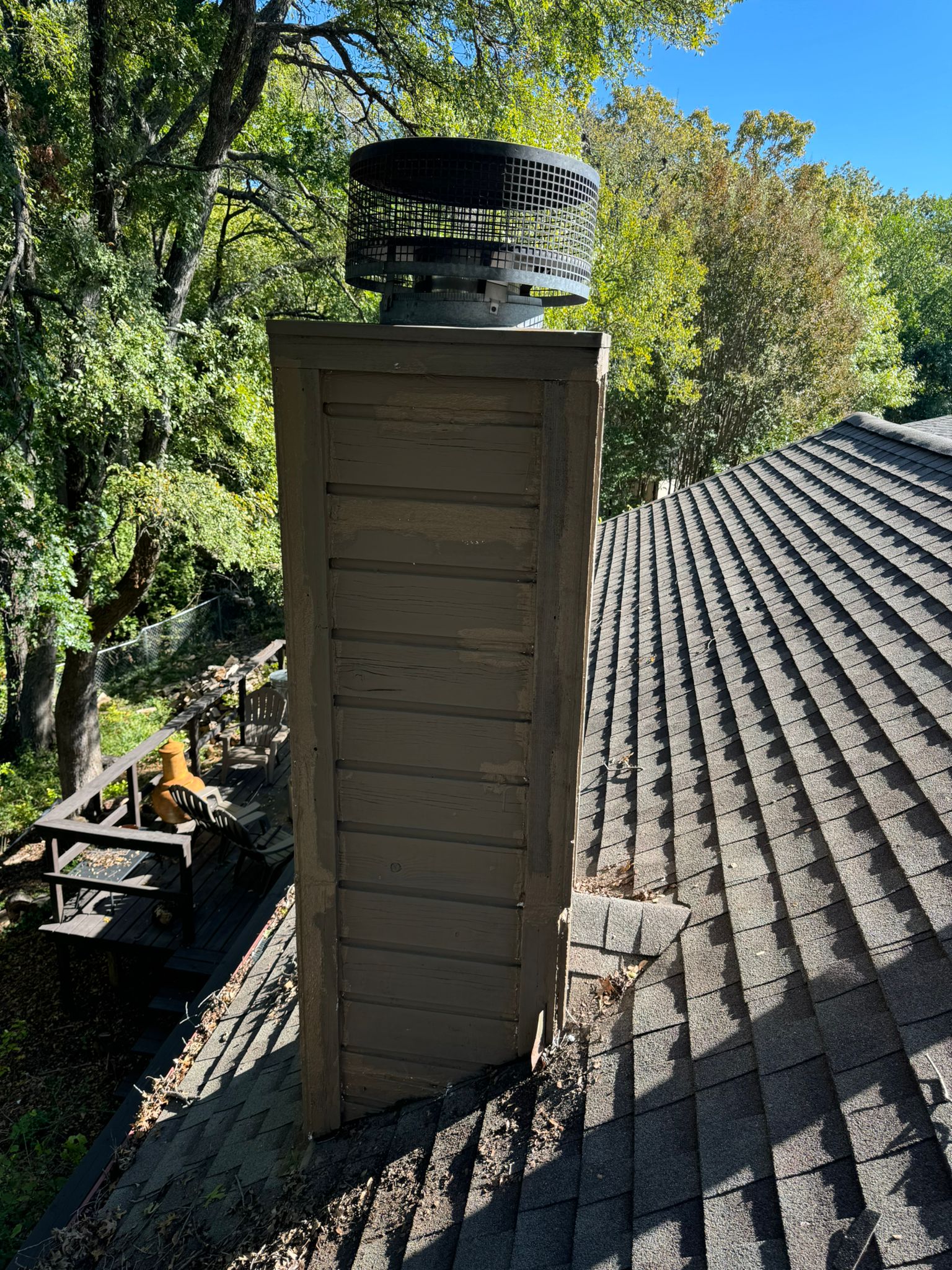
A chimney chase cover is the metal lid that sits on top of a prefabricated chimney enclosure. It spans the full width of the chase — not just the flue pipe opening.
That distinction matters. Unlike a chimney cap, which covers only the flue, a chase cover protects the entire wood-framed enclosure beneath it.
A chimney chase is the framed, non-masonry enclosure that surrounds a factory-built fireplace flue pipe. Chases are typically wood-framed and clad in siding or stucco. They’re common in NYC buildings constructed after 1980 and in older buildings converted to prefabricated fireplace systems.
Here’s what most homeowners don’t realize about prefab chimney systems: the chase cover is a separate, replaceable component. It is not a fixed part of the chimney structure. When it fails, it can be removed and replaced — and upgrading the material at that point makes a significant long-term difference.
Most homeowners in newer NYC construction don’t know this component has a name. They assume the chimney top is solid masonry. When water stains appear on the ceiling near the fireplace, the chase cover rarely gets identified as the source on the first call.
Chase Cover Rust Failure in NYC's Newer Construction
Galvanized steel chase covers on NYC rooftops rust from the center outward.
The flat pan surface is where water pools after every rain. Standing water accelerates the galvanization breakdown faster than any other surface exposure pattern.
Prime Chimney serves newer residential developments in Long Island City, Astoria, and Williamsburg — Queens and Brooklyn neighborhoods where post-1990 construction with prefabricated fireplace systems generates most of the chase cover repair requests we see in the outer boroughs. These buildings are young by NYC standards, but their galvanized chase covers have typically been exposed to 10 to 30 years of rooftop rain cycles with no maintenance.
Galvanized chase cover failure — the progressive rust deterioration that begins at the pan and accelerates at the seams and edges — doesn’t announce itself loudly. The rust perforates the pan surface quietly. Water then drains directly into the chase cavity below. That water soaks the wood framing, the insulation, and the flue pipe housing.
The first visible sign inside the apartment is often a water stain on the ceiling. The ceiling stain appears well before the rusted cover is identified as the cause. By that point, chase water intrusion — water entry into the framed chase interior through a failed cover — has been happening for weeks or months.
What We Find on a Chase Cover Inspection Visit
The worst deterioration happens on the pan interior, not the visible top surface.
I’ve been on jobs across Brooklyn and Queens where a homeowner called about a ceiling stain and two different contractors had already checked the roof. Neither one identified the chase cover as the source. The cover was visibly rusted from street level if you knew what you were looking at — but from the rooftop access hatch, it looked like a flat metal surface sitting on top of a chimney. Nothing obviously wrong to someone who doesn’t work with prefab systems regularly.
The thing about galvanized chase covers is that the worst deterioration happens on the pan interior, not the visible top surface. The top surface may show light surface rust. Probe the cover from the underside, and you find the pan has perforated through. Water has been moving through that perforation into the framing below every time it rains.
On that type of job, I always check the chase framing below the cover before I write the replacement scope. If the water intrusion has been going on for more than one season, the top plate framing and the surrounding sheathing can show rot or softness. That doesn’t change whether the cover gets replaced — it always does — but it tells us whether a framing inspection is the next step after the cover is secured.
We install the new cover in the same visit when materials are in stock. For a standard chase top, that’s usually the same day. The cover goes on measured to the chase opening — not ordered from a size catalog and shimmed to fit.
Custom Sizing Makes the Difference
A chase cover that doesn’t fit correctly creates the same ponding problem it was supposed to solve.
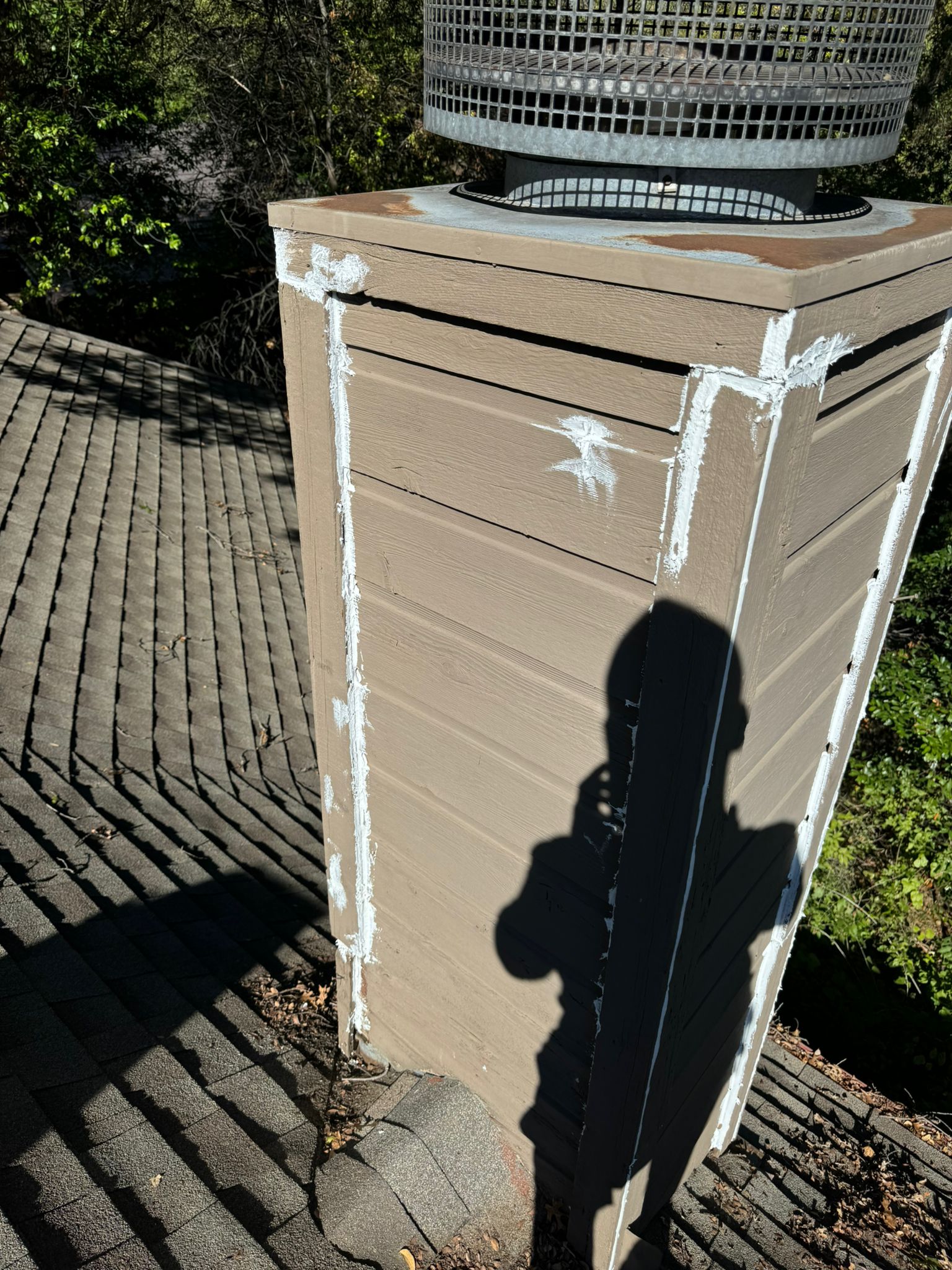
The cover needs to overhang the chase edges uniformly on all sides. That overhang sheds water away from the chase structure. A cover that’s too small or improperly centered lets water pool at the edges and wick back into the chase top.
Custom chase cover sizing — measuring the exterior dimensions of the chase top on-site before fabricating or ordering the replacement — is the only reliable way to ensure that overhang geometry is correct. Prime Chimney measures on-site on every job. The replacement cover is fitted to those specific dimensions, not approximated from a standard size.
We also upgrade material by default. Galvanized steel is the standard original material on most prefab chimney installations in NYC. We replace it with a stainless steel chase cover — a cover fabricated from stainless steel that resists rust and corrosion significantly longer under the rain and humidity exposure typical of NYC rooftops. This is not a premium option priced separately. It’s what goes on every replacement job.
Three reasons:
Outlasts Galvanized by 3-5×
Under rooftop exposure conditions — rain, humidity, ponding water on the pan surface — stainless steel resists corrosion three to five times longer than the galvanized covers it replaces.
No Paint or Coating Maintenance
Stainless requires no protective coating to maintain. No annual touch-up, no rust spots needing treatment, no decision about when to repaint before the next failure starts.
No Return Trip in 5 Years
Once installed correctly on a properly measured chase, you’re not back on that roof for the same problem. The next visit is for something else — not a re-replacement.
Our Chase Cover Standards
Every chase cover replacement Prime Chimney performs follows the same material and fit standard.
Material: Stainless Steel on Every Replacement
No galvanized, no painted steel. Stainless resists rust and corrosion under NYC rooftop exposure — that’s why it goes on every job, not as an upsell.
Sizing: On-Site Measurement First
Chase exterior dimensions measured on-site before fabrication or ordering. The replacement is fitted to those specific numbers — not approximated from a catalog size and shimmed to fit.
Overhang Geometry: Uniform on All Four Sides
Confirmed before installation. The overhang sheds water away from the chase structure — a cover that doesn’t overhang uniformly creates the same ponding problem it was supposed to solve.
Flue Pipe Clearance: Correct Opening + Sealed Collar
Opening sized to the flue pipe collar, with the collar joint sealed at installation. No gap where water can enter at the pipe penetration.
Fastening: Corrosion-Resistant Hardware
Cover secured to the chase top with corrosion-resistant fasteners. The hardware lasts as long as the stainless cover it secures — no rust failure at the screws while the pan stays intact.
Chase Framing Check Before Install
Visual assessment of exposed framing below the cover for moisture damage — soft wood, staining, or visible rot at the top plate — before the new cover goes on. Documented if found.
These aren’t optional steps. They’re the standard for every job, regardless of building type or borough.
Ceiling Stain Near Your Prefab Fireplace?
The chase cover is the source most homeowners don’t think to check. Call (347) 801-0260 to schedule a rooftop inspection — same-day stainless install when materials are in stock.
How the Chase Cover Repair Process Works
Diagnostics
We access the rooftop and remove the existing cover for a full condition assessment. We inspect the pan surface, seams, and collar joint for rust perforation and separation. We check the chase framing below the cover for moisture intrusion evidence — soft wood, staining, or visible rot at the top plate. If a camera scan of the flue is warranted based on what we find, that can be added to the same visit. A rusted cover that has been failing for multiple seasons often means water has reached the flue pipe housing and surrounding insulation — worth confirming before the new cover goes on.
Installation
The replacement stainless steel cover is cut to the on-site measurements taken during the diagnostic step. We set the cover with correct overhang geometry on all sides, seal the flue pipe collar joint, and fasten the cover with corrosion-resistant hardware. The installation is complete before we leave the roof — same day when materials are in stock.
Post-Service Confirmation
We confirm overhang geometry and collar seal visually before leaving the rooftop. For jobs where framing moisture was observed, we document the condition and provide written notes on what follow-up is warranted. The homeowner receives a clear picture of what was replaced, what condition the chase framing was in, and whether anything additional needs attention.
Areas We Serve
Prime Chimney performs chimney chase cover repair and replacement across all five NYC boroughs.
We serve Brooklyn neighborhoods including Williamsburg, Greenpoint, and Park Slope. In Queens, we work regularly in Long Island City, Astoria, and Flushing. We also cover Manhattan, the Bronx, and Staten Island.
If your building has a prefab chimney system, we cover your area.
Schedule Your Chase Cover Replacement
Every rain event that passes through a perforated chase cover moves more water into the framing below.
Prime Chimney replaces galvanized covers with custom-fit stainless steel units across New York City — on-site measurement, same-day installation when materials permit.
Call (347) 801-0260 to schedule your service visit.
Frequently Asked Questions
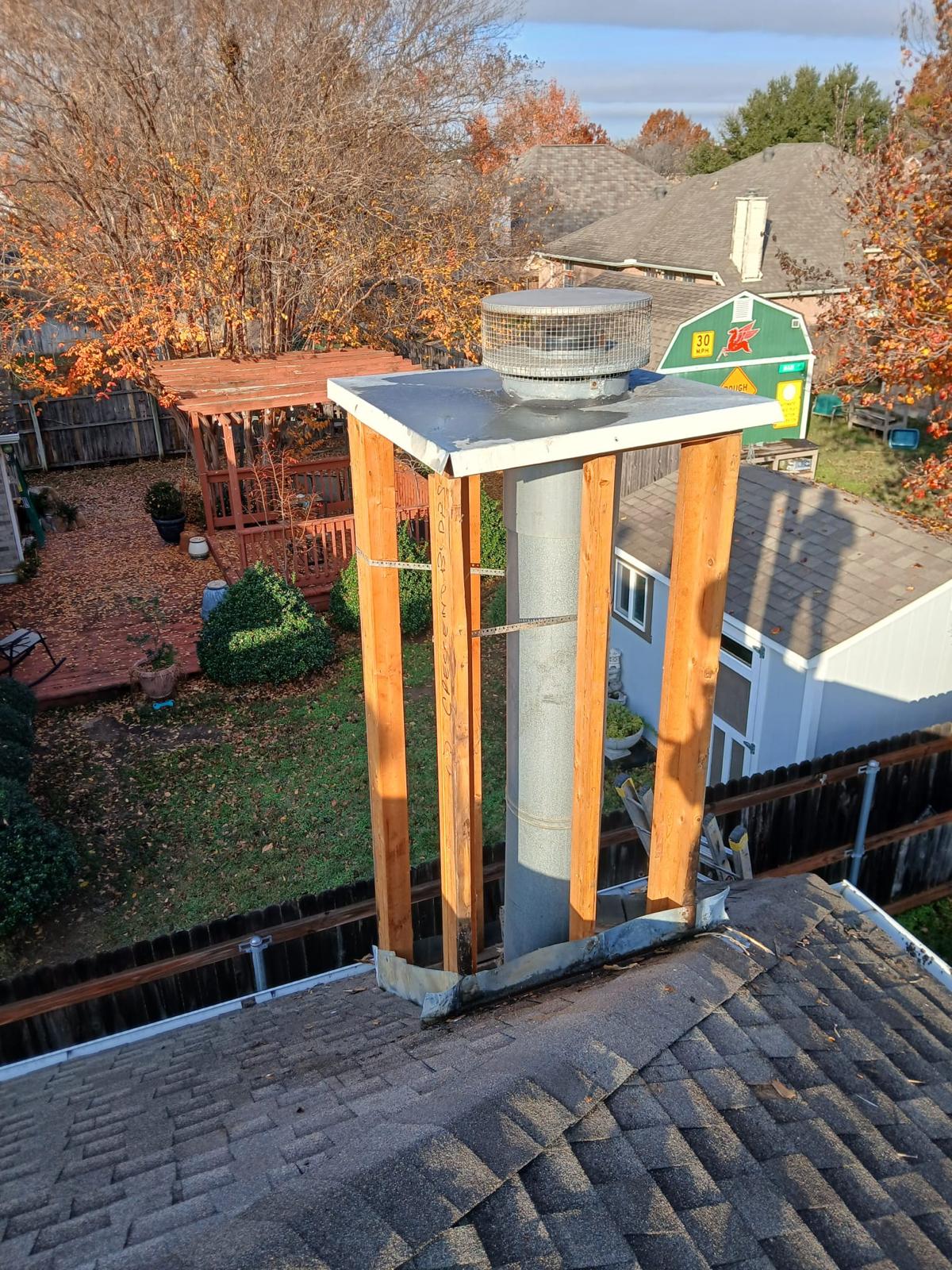
A chimney cap is a smaller metal cover that fits over just the flue opening on top of a masonry chimney. A chase cover is the metal lid that sits across the full top of a prefabricated chimney chase — the wood-framed, non-masonry enclosure that surrounds a factory-built fireplace flue pipe. A cap protects only the flue; a chase cover protects the entire framed enclosure beneath it. If your chimney top is a wide rectangular metal pan with the flue pipe coming through it, that’s a chase cover. If it’s a smaller fitted unit sitting on a masonry crown, that’s a cap.
The first visible sign inside the apartment is usually a water stain on the ceiling near the fireplace. From the rooftop, the cover may show light surface rust on the top, but the worst deterioration happens on the pan interior — the underside — and that’s not visible without lifting or probing the cover. Other indirect signs include rust streaks running down the siding of the chase, or visible rust along the seams and edges of the cover. If your building was constructed after 1980 and has a prefabricated fireplace, the original galvanized chase cover has typically been exposed to 10 to 30 years of rooftop rain with no maintenance — by which point pan perforation is common.
Three reasons. First, stainless steel outlasts galvanized by three to five times in NYC rooftop exposure conditions — the rain, humidity, and ponding water that pools on the flat pan surface. Second, stainless requires no paint or protective coating to maintain — no annual touch-up, no rust spots to treat. Third, once it’s installed correctly on a properly measured chase, you’re not back on that roof for the same problem in five years. This isn’t a premium option priced separately on our jobs. It’s what goes on every replacement — the cost difference over the service life is in the homeowner’s favor, not against it.
Because a chase cover that doesn’t fit correctly creates the same ponding problem it was supposed to solve. The cover needs to overhang the chase edges uniformly on all sides — that overhang sheds water away from the chase structure. A cover that’s too small or improperly centered lets water pool at the edges and wick back into the chase top, exactly where the original galvanized cover started failing. On-site measurement of the chase exterior dimensions before fabricating or ordering the replacement is the only reliable way to ensure that overhang geometry is correct. Catalog sizes shimmed to fit don’t achieve it.
For a standard chase top with materials in stock, the diagnostic and installation are usually completed in a single same-day visit. For non-standard dimensions that require custom fabrication, we measure on the first visit and return to install once the cover is ready. As for framing damage — that depends on how long water has been entering through the failed cover. If chase water intrusion has been happening for more than one season, the top plate framing and surrounding sheathing can show rot or softness. We check the framing below the cover before installation and document the condition. If a framing inspection is warranted, that’s the next step after the new cover is secured — not skipped. Call (347) 801-0260 to schedule a rooftop inspection.
© Prime Chimney Sweep & Repair · 919 E. 29th St., Brooklyn, NY 11210 · (347) 801-0260 · Licensed & insured · Serving all 5 NYC boroughs 24/7.