Camera-Scan Flue Report for NYC Closings & Co-op Boards
NFPA 211 Tier 2 chimney inspection with a written report and still images — the documentation format co-op boards, lenders, and real estate attorneys actually request.
What a Tier 2 Chimney Inspection Delivers — and Why NYC Closings Require It
A Tier 2 chimney inspection is a camera-based flue evaluation that produces a written report with still images.
It satisfies documentation requirements from lenders, co-op boards, and real estate attorneys in New York City. A Tier 2 inspection goes beyond a visual look into the firebox. It puts a flue camera scan inside the liner and captures what’s there. The result is a written report that names conditions, includes photographs, and meets the documentation format most NYC transactions require.
This is the inspection requested when a property is changing hands, a heating appliance type has changed, or a Tier 1 visual scan found something that needs a closer look.
Flue Camera Scan
Camera inserted from the top of the chimney or from the firebox end depending on flue access. Reveals liner cracks, debris, and joint failures that aren’t visible from below.
Written Report with Still Images
Same-day delivery. Names each condition, states its location within the flue, includes photographs, and identifies whether deficiencies affect safe use of the fireplace.
NFPA 211 Tier 2 Compliance
Inspection conducted to the NFPA 211 Tier 2 standard — triggered by real estate transactions, appliance changes, or findings from a Tier 1 visual inspection.
NYC Real Estate Closings Create Specific Pressure Around Chimney Documentation
Brooklyn and Queens real estate transactions move on tight timelines — and chimney reports often come up late.
Prime Chimney serves the Brooklyn and Queens corridors where brownstone sales, co-op conversions, and estate transfers create consistent demand for Tier 2 documentation on compressed schedules. A buyer’s attorney flags the fireplace two weeks before closing. The managing agent for the co-op board sends a documentation requirement the week after that. Nobody in the transaction has touched the fireplace in four years. Nobody knows when it was last inspected.
Here’s what most homeowners don’t realize: a cleaning receipt doesn’t satisfy the requirement. Neither does a verbal summary from a technician. Co-op boards increasingly specify a written camera report — Tier 2, not Tier 1 — before signing off on a unit transfer that includes a fireplace.
The flue interior hasn’t been seen since the building was renovated, converted, or last sold. A visual check from the firebox opening won’t show liner crack status, debris accumulation at a joint offset, or whether the clay tile liner is intact through the full flue height. The camera does.
What the Camera Finds in NYC Pre-War Flues
Most NYC pre-war flues show something during a Tier 2 scan — the question is what, and whether it affects the closing.
The flues in Brooklyn and Manhattan brownstones are often clay tile liners installed during original construction — sometimes in the 1910s, sometimes earlier. By the time a camera goes in during a real estate transaction, the flue may not have been used in years. That inactivity doesn’t protect it.
Deteriorated mortar at the liner joints — where tile sections connect — is the most common finding. Tile sections shift slightly over decades as the building settles. Those shifts open gaps. A gap in a liner joint allows combustion gases to migrate into the surrounding masonry. That’s a liner crack — a fracture or separation in the clay tile that permits gas migration. It matters at a closing because a lender’s underwriter may treat it as a material condition.
The second common finding is debris accumulation. On a flue that hasn’t been swept in years, leaves, bird nesting material, and deteriorated mortar debris collect at every offset and ledge inside the liner. The camera locates it. The written report documents where it is and what it consists of.
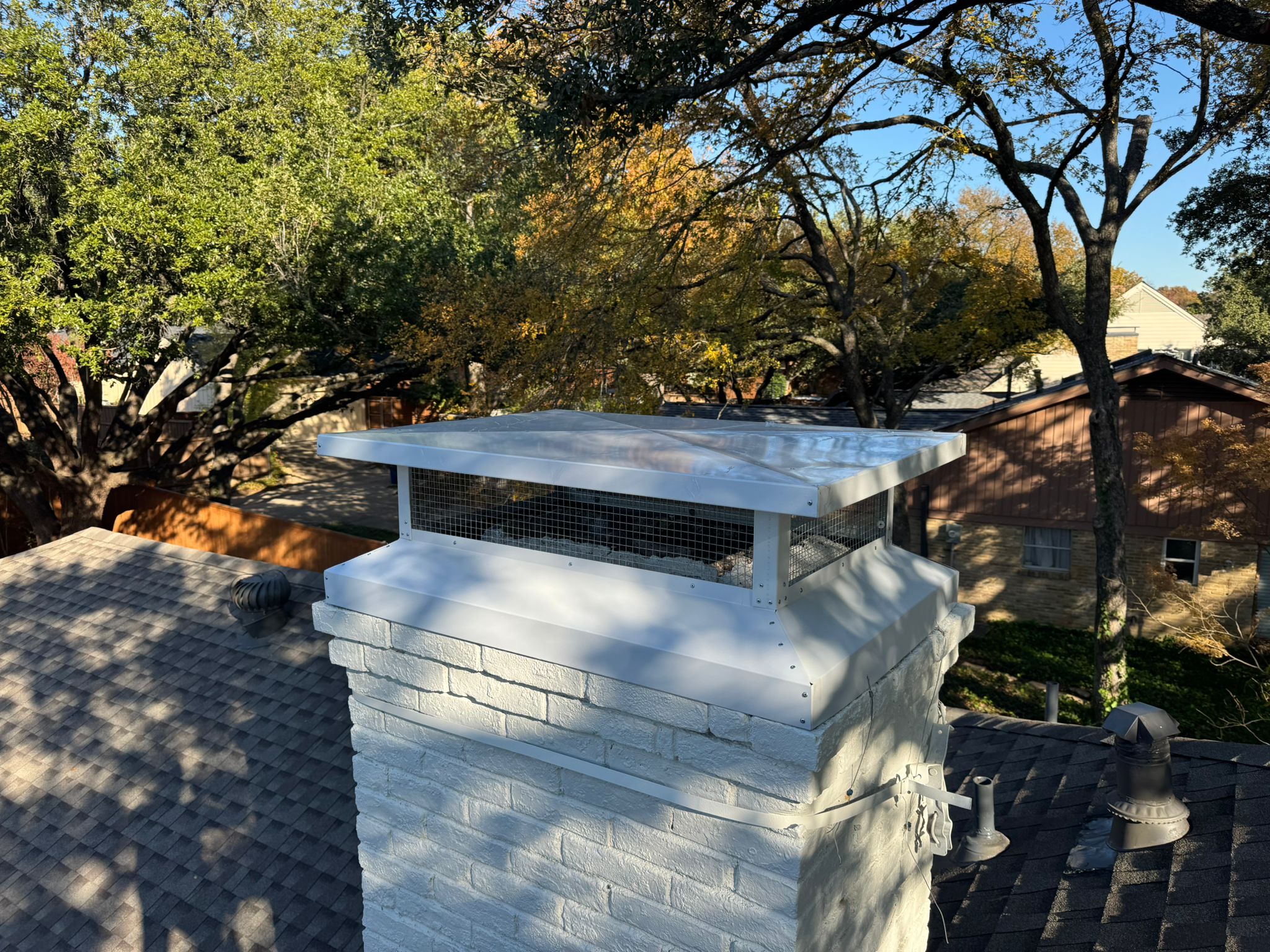
Third — and this one surprises people — is the crown and cap condition visible from the top during camera entry. The technician accesses the chimney from above to insert the camera. That rooftop access also confirms whether the cap is in place, whether the crown has visible cracking, and whether the flue opening is clear. Those observations go into the written report as well.

The Report Format Is What the Transaction Actually Needs
The written camera report from a Tier 2 inspection is formatted to satisfy co-op board and lender documentation requirements.
After the camera scan, the written report is prepared with still images from the flue scan, a condition summary, and a clear statement of any deficiencies found. That report is delivered after the inspection visit — not mailed two weeks later.
Co-op boards have different documentation standards than individual lenders. Some request a written condition summary with photographs. Some specify that the inspection must meet the NFPA 211 Tier 2 standard by name. Real estate attorneys reviewing the package before closing look for a professional written report, not a service invoice.
If the scan finds conditions requiring repair before the fireplace can be used, the report names them and describes what the repair involves. That gives everyone in the transaction a clear picture of what they’re working with — and time to decide how to handle it before the closing table.
Still Images From the Scan
Photographs captured at every liner joint, offset, and condition found. Each image is location-tagged within the flue.
Condition Summary & Deficiency List
Names what was found, where it is in the flue, and whether it affects whether the fireplace can be used safely.
Same-Day Delivery
We prepare the report after the scan and deliver it the same day as the inspection visit — not mailed days later. That timing matters when closings are tight.
Our Standards for a Tier 2 Chimney Inspection
Every Tier 2 inspection at Prime Chimney covers the flue interior, the crown, the cap condition, and the accessible firebox components.
Stainless steel and clay tile liners are both assessed. The camera system captures conditions that are not visible from the firebox opening.
Flue Camera Scan
Inserted from the top or firebox end depending on flue access. Captures still images at every liner joint, at offset sections, and at areas where debris or damage is visible.
Liner Condition Assessment
Evaluates clay tile integrity, joint alignment, and the presence of any liner cracks or separations that could allow combustion gas migration.
Crown & Cap Evaluation
Performed during rooftop access prior to camera insertion. Documents crown crack status, cap presence, and flue opening condition.
Damper Inspection
Visual check of the damper plate and seating ledge, confirming whether the damper opens and closes and whether the plate shows warping or corrosion.
Written Report with Still Images
Delivered after the inspection visit, formatted to meet the documentation standard most commonly requested by NYC co-op boards, lenders, and real estate attorneys.
NFPA 211 Tier 2 Compliance
Inspection conducted to the Tier 2 standard, which is triggered by real estate transactions, appliance changes, or findings from a prior Tier 1 visual inspection.
Real Estate Deadline Coming Up?
Tell us your closing date and building type. We’ll confirm an available appointment and walk you through the roof access coordination if needed.
How the Tier 2 Inspection Works
Diagnostic Assessment
Inspection begins at the firebox. Tech checks the damper condition and the firebox interior before the camera goes in. Confirms whether debris is present at the throat level and whether the damper plate is functional. Rooftop access follows — crown and cap condition confirmed from above before inserting the camera. In NYC co-op and condo buildings, roof access is coordinated with building management in advance.
Camera Scan & Documentation
Flue camera scan runs from the top down or from the firebox end up, depending on flue geometry. Camera reveals liner cracks, blockages, offset joint failures, and debris accumulation that can’t be seen from the firebox opening. Still images captured at each significant condition. Tech notes the location of each finding — expressed as a distance from the top or from the firebox. That specificity lets a lender underwriter or co-op board understand what was found and where.
Written Report Delivery
We prepare the written camera report after the scan and deliver it the same day as the inspection visit. Includes a summary of the inspection scope, still images with condition notes, a list of any deficiencies found, and a statement of whether those deficiencies affect whether the fireplace can be used safely. That report is the document the co-op board, the lender, or the buyer’s attorney is looking for.
Areas We Serve
Prime Chimney schedules Tier 2 inspections across all five NYC boroughs, with same-week availability on most timelines.
We serve Brooklyn, Manhattan, Queens, the Bronx, and Staten Island. Scheduling is concentrated in the brownstone and co-op corridors of Brooklyn and Manhattan, where real estate transaction demand for camera inspection reports runs year-round. Call (347) 801-0260 to confirm availability for your closing timeline.
Book Your Tier 2 Inspection Before the Closing Deadline
A Tier 2 chimney inspection from Prime Chimney delivers a written camera report formatted for NYC real estate transactions.
If a lender, co-op board, or buyer’s attorney has requested chimney documentation before your closing, this is the inspection that satisfies it. Call (347) 801-0260 to schedule. Tell us your closing date and building type — we’ll confirm an available appointment and walk you through the roof access coordination if needed.

Tier 2 Inspection Questions — Answered
Most Tier 2 inspections take 90 minutes to two hours from arrival to the written report being prepared. That includes the firebox check, rooftop access for crown and cap evaluation, the camera scan through the full flue height, and time to document findings with still images. Multi-flue brownstone stacks where each flue needs to be scanned separately take longer — we’ll confirm the time estimate based on your building type when you call.
Same day. We prepare the written report after the camera scan and deliver it the same day as the inspection visit — not mailed two weeks later. That timing matters when closings are tight. The report includes still images captured from the flue scan, a condition summary, a list of any deficiencies found, and a statement of whether those deficiencies affect whether the fireplace can be used safely.
It can. NYC co-op and condo buildings often require management notification before the technician can access the roof, and the Tier 2 inspection includes rooftop entry to insert the camera and evaluate the crown and cap. Confirm roof access protocols with your building super or management company before you call, and let us know when you book. We can also work with the managing agent directly if your building requires that.
The report names them, describes what the repair involves, and states whether the deficiency affects whether the fireplace can be used safely. That gives everyone in the transaction a clear picture before the closing table — you, your attorney, the buyer’s attorney, the co-op board, and any underwriter reviewing the file. Repairs can sometimes be scheduled before closing if the timeline allows. If not, the documented deficiency becomes part of the negotiation between the parties.
Yes — we schedule Tier 2 inspections across all five NYC boroughs with same-week availability on most timelines. Brooklyn and Manhattan co-op corridors see year-round demand, so the further ahead you can book, the better. If your closing is within the next 7-10 days, call (347) 801-0260 immediately and tell us the closing date — we’ll work backward from there to confirm an appointment that gets the report in hand before your deadline.
© Prime Chimney Sweep & Repair · 919 E. 29th St., Brooklyn, NY 11210 · (347) 801-0260 · Licensed & insured · Serving all 5 NYC boroughs 24/7.