Annual Visual Inspection — Written Summary Included
Covers crown, damper, firebox, and all accessible flue sections. NFPA 211 Tier 1 visual inspection. You receive a written condition summary before the tech leaves.

What a Tier 1 Chimney Inspection Covers
A Tier 1 chimney inspection is a full visual check of every accessible part of your chimney system.
Under NFPA 211 — the National Fire Protection Association standard that defines chimney inspection types — a Tier 1 inspection covers all portions of the chimney that can be seen without removing any building components. No camera equipment. No wall openings. A trained technician moves through the accessible areas in a defined sequence.
That sequence covers the firebox interior, the damper plate and seating ledge, the visible flue from below, the chimney crown, and the cap at the flue top. Each area has its own failure modes. A Tier 1 check looks for all of them.
The firebox interior reveals soot accumulation, cracks in the firebrick, and mortar joint deterioration at the back wall. The damper plate inspection confirms whether it opens, closes, and seats properly. The chimney crown — the concrete or mortar cap that seals the top of the chimney around the flue opening — shows freeze-thaw cracking and erosion that isn’t visible from street level. The cap protects the flue opening from rain, debris, and animal entry.
A Tier 1 inspection is what NFPA 211 recommends annually for any chimney system in routine use where the appliance type and fuel source haven’t changed. It’s the baseline. Most homeowners who use a wood-burning fireplace through the winter should have one done every fall.
Below the Damper
Firebox interior — back wall, side walls, floor, lintel. Soot accumulation, firebrick cracks, mortar joint deterioration, ash dump debris.
Damper to Crown
Damper plate operation and seat. Visible flue above the damper checked from below using inspection lighting. Looking for corrosion, warping, debris.
Rooftop Assessment
Chimney crown, cap, and flue collar from above. Surface fracturing on the crown is often only visible from the rooftop — skipping this step makes the inspection incomplete.
When Annual Inspections Matter Most — NYC's Off-Season Gap
NYC homeowners tend to stop thinking about chimneys in April — and that six-month gap is where problems develop.
A fireplace gets used in January and February. By spring, nobody is scheduling inspections. October arrives, the weather turns, and the first fire of the season happens — sometimes weeks before anyone has checked what the flue looks like after six months of sitting.
During that summer gap, conditions change without anyone noticing. A cracked crown absorbs rain through every storm. A slightly corroded damper plate degrades further. A mortar joint that was borderline in March has had months of moisture and thermal cycling to worsen. None of it announces itself from inside the apartment.
In Staten Island, where single-family home density is highest and wood-burning fireplaces are common, Tier 1 annual inspections are a standard fall-season request. The same is true across Brooklyn and Queens row house neighborhoods. The buildings are older. The chimneys see real use. The annual inspection cycle matters.
Booking a Tier 1 inspection before the heating season — not after it — is how those six-month progressions get caught before they become repairs.
The Difference Between a Tier 1 That Passes and One That Escalates
Most Tier 1 visits produce a clean summary. Some produce an escalation recommendation. Both outcomes are useful.
When everything checks out — sound firebox, properly seating damper, crown with no visible fracturing, cap in place — the written condition summary reflects that. Clear record. No follow-up needed until next fall.
Other times, the visual scan reveals something the NFPA 211 standard says warrants closer evaluation. A crown with surface fractures that appear to extend deeper than the top layer. A damper that doesn’t seat flat, suggesting the plate is warped. A brownish stain at the firebox back wall that could indicate water entry through the liner. In those situations, a Tier 1 documents what it can see — and flags what it cannot.
That’s when escalation to a Tier 2 becomes the honest recommendation. A Tier 2 chimney inspection adds a flue camera scan, which reveals liner cracks, joint failures, and debris accumulation that a visual inspection from below cannot confirm. The escalation reason is documented in the Tier 1 summary before anything else is scheduled. The homeowner understands exactly why.
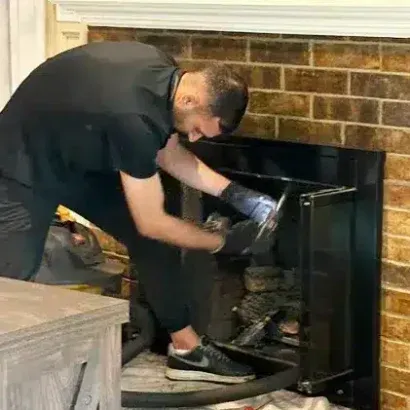
You Receive a Written Condition Summary — Not a Verbal Rundown
Every Tier 1 inspection with Prime Chimney produces a written condition summary before the technician leaves.
A verbal summary on the way out doesn’t create a record. It doesn’t help at a co-op board meeting. It doesn’t tell you six months later what the tech said the crown looked like. A written summary does all of that. It names each component checked, describes what was found, and states the condition: acceptable, needs monitoring, or warrants follow-up.
If anything during the visual scan suggests a Tier 2 is warranted, the tech documents the reason in writing and explains it before leaving. The homeowner isn’t left interpreting a comment made in passing.
This matters in NYC co-op buildings, where building management sometimes requests documentation of recent chimney work. A written condition summary from a Tier 1 inspection covers that requirement cleanly.
Component-by-Component Notes
Firebox, damper, visible flue, crown, and cap each get a condition note: acceptable, needs monitoring, or warrants follow-up. Not a vague overall rating.
Escalation Reason in Writing
If a Tier 2 camera scan is recommended, the specific reason — crown fracture extending toward the collar, stain at firebox back wall, debris on a ledge — is documented before scheduling anything else.
Co-op & Board-Ready Format
Dated record that names the technician, the property, and the inspection scope. Acceptable as documentation for building management or insurance carriers.
How We Conduct a Tier 1 Inspection, From Firebox to Crown
A Tier 1 inspection follows a defined sequence — same surfaces, same order, every visit.
Diagnostics
Starts at the firebox. Back wall, side walls, and floor checked for cracks, spalling, and mortar joint deterioration. Ash dump checked for debris accumulation. Lintel — the horizontal member across the top of the firebox opening — checked for carbon buildup and structural condition.
Implementation
Damper plate and seating ledge inspected for corrosion, warping, and debris that prevents a full seal. Visible portion of the flue above the damper checked from below using inspection lighting. Then the technician accesses the roof, where the chimney crown, cap, and flue collar are assessed from above. A crown can look fine from the apartment and have surface fracturing only visible from above — skipping the rooftop step makes the inspection incomplete by definition.
Post-Service Documentation
After the full assessment, the written condition summary is prepared. Each component receives a condition note. If escalation to Tier 2 is warranted, that recommendation is documented with the specific reason — not a vague suggestion to consider a camera inspection.
Ready to Schedule Your Inspection?
Fall inspection slots fill quickly across all five boroughs. Call (347) 801-0260 or use the contact form to book before the heating season opens.
What Triggers an Escalation to Tier 2
Some Tier 1 findings require a camera scan to properly evaluate — and NFPA 211 defines when.
Appliance changes are the clearest trigger: switching from wood-burning to gas requires a Tier 2 before continued use. Real estate transactions are another: co-op boards and lenders increasingly require camera scan documentation before a unit transfers.
Escalation also happens based on what the Tier 1 visual finds. A stain pattern at the firebox back wall that suggests liner water entry needs camera confirmation. Crown fracturing that reaches the flue collar needs camera verification of whether the crack extends into the liner. Debris appearing to accumulate on a ledge in the lower flue — visible in the light beam but not fully assessable from below — gets resolved by the camera.
The technician documents the escalation reason in the Tier 1 summary. The homeowner knows exactly why before anything else is booked.
Tier 1 Inspection Scheduling Across All Five Boroughs
Prime Chimney schedules Tier 1 annual chimney inspections across all five NYC boroughs.
Appointments are available in Manhattan, Brooklyn, Queens, the Bronx, and Staten Island. On Staten Island, where single-family home density and wood-burning fireplace use are highest in the outer boroughs, fall Tier 1 scheduling opens in September.
We also serve co-op and condo buildings across Brooklyn and Manhattan where written inspection records are a recurring documentation need.
Get Your Annual Inspection on the Calendar Now
A Tier 1 chimney inspection catches small problems before months of weather turns them into larger ones.
You receive a written condition summary, a clear record of what was found, and a documented escalation path if anything warrants closer evaluation.
Call Prime Chimney at (347) 801-0260 to schedule. Appointments are available across all five boroughs through late fall. If you’re working around a co-op board deadline or a real estate closing, mention it when you call — we’ll confirm whether Tier 2 documentation is what you actually need.

Tier 1 Inspection Questions — Answered
A Tier 1 inspection is a visual check of every accessible part of the chimney — firebox, damper, visible flue from below, crown, and cap. No camera equipment, no wall openings. Under NFPA 211, Tier 1 is the annual baseline for any chimney in routine use where the appliance and fuel haven’t changed. A Tier 2 adds a flue camera scan that reveals liner cracks, joint failures, and debris accumulation a visual check can’t confirm. Most Tier 1 visits produce a clean summary. Some flag conditions that warrant a Tier 2 — and when that happens, the reason is documented in writing before anything else is scheduled.
NFPA 211 recommends annually for any chimney system in routine use. Most NYC homeowners who use a wood-burning fireplace through the winter should book a Tier 1 every fall — before the heating season opens, not after. The six-month off-season gap between April and October is where small issues progress unnoticed: a cracked crown absorbs rain through every storm, a corroded damper degrades further, mortar joints worsen with thermal cycling. Catching those before they become repairs is exactly what the annual visit is for.
Written. Every Prime Chimney Tier 1 produces a written condition summary before the technician leaves. It names each component checked — firebox, damper, visible flue, crown, cap — and states the condition: acceptable, needs monitoring, or warrants follow-up. If a Tier 2 camera scan is recommended, the specific reason is documented in writing. The written format also works as documentation for co-op boards, building management, and insurance carriers that sometimes request proof of recent chimney work.
In most cases, yes. NYC co-op buildings sometimes request documentation of recent chimney inspection, and a written Tier 1 condition summary covers that requirement cleanly. The exception: if the board specifically asks for a camera scan or a condition assessment tied to a real estate transaction, you may need a Tier 2 instead. Mention the board requirement when you call — we’ll confirm what level of documentation you actually need before scheduling.
Most Tier 1 visits take 45 to 75 minutes from arrival to written summary, depending on flue configuration and roof access. Yes, someone with building access and knowledge of the fireplace setup should be home — the tech needs to access both the firebox and the rooftop, and the written condition summary is handed off in person before leaving. For co-op and condo buildings, confirm roof access logistics with building management before the appointment. Call (347) 801-0260 to schedule across all five boroughs.
© Prime Chimney Sweep & Repair · 919 E. 29th St., Brooklyn, NY 11210 · (347) 801-0260 · Licensed & insured · Serving all 5 NYC boroughs 24/7.