Water is a chimney's worst enemy. From cracked crowns to failed flashing, chimney leaks in New York homes cause thousands of dollars in structural damage every year - and most are entirely preventable with the right repairs.
This guide walks you through every cause, every fix, and every decision point. When you're ready to stop the leak, our team at Prime Chimney Sweep & Repair is one call away.
Learn more about chimney sweep NYC →
Learn more about fireplace cleaning NYC in Brooklyn, NY →
Learn more about chimney animal removal NYC in Manhattan, NY →
Prime Chimney Sweep & Repair is based in New York and serves homeowners, property managers, and real estate professionals across the five boroughs and surrounding metro areas. Our team brings years of hands-on experience diagnosing and repairing the specific chimney problems that New York's climate and housing stock create.
New York chimneys face a punishing combination of freeze-thaw cycles, acid rain, and decades of deferred maintenance. We specialize in chimney leak detection and repair because water intrusion is by far the most destructive and most misdiagnosed problem we encounter in the field.
Whether you own a prewar Brooklyn brownstone, a Queens Colonial, or a Manhattan co-op with a shared flue, our technicians understand the structural nuances of your chimney system. We carry full liability coverage and work in compliance with NYC Department of Buildings permit requirements.
New York experiences over 50 inches of precipitation annually, and temperatures routinely swing from below freezing in winter to 90-plus degrees in summer. That thermal expansion and contraction is brutal on mortar joints, chimney crowns, and masonry. Learn exactly why NYC chimneys leak and what to watch for before water reaches your interior walls.
Buying or selling a New York property with a chimney? A Level 2 chimney inspection is standard protocol during any property transfer. We provide written reports that satisfy lender and insurance requirements, and we schedule quickly to meet tight closing timelines.
Active leak during a storm? Visible daylight through a cracked crown? Don't wait. Our team offers emergency chimney leak repair across NYC with same-day response in most cases. Call (347) 801-0260 any time.
Chimney leaks rarely have a single cause. Our diagnostic process identifies every entry point before we recommend a repair plan - so you fix it once, correctly.
The chimney crown is the concrete cap that seals the top of your chimney structure. Cracks in the crown are the single most common entry point for water in New York chimneys. A deteriorated crown lets rain drive directly into the masonry below.
Depending on the extent of damage, repairs range from elastomeric crown sealer application (for hairline cracks) to full crown replacement with properly sloped concrete. We assess on-site before recommending an approach.
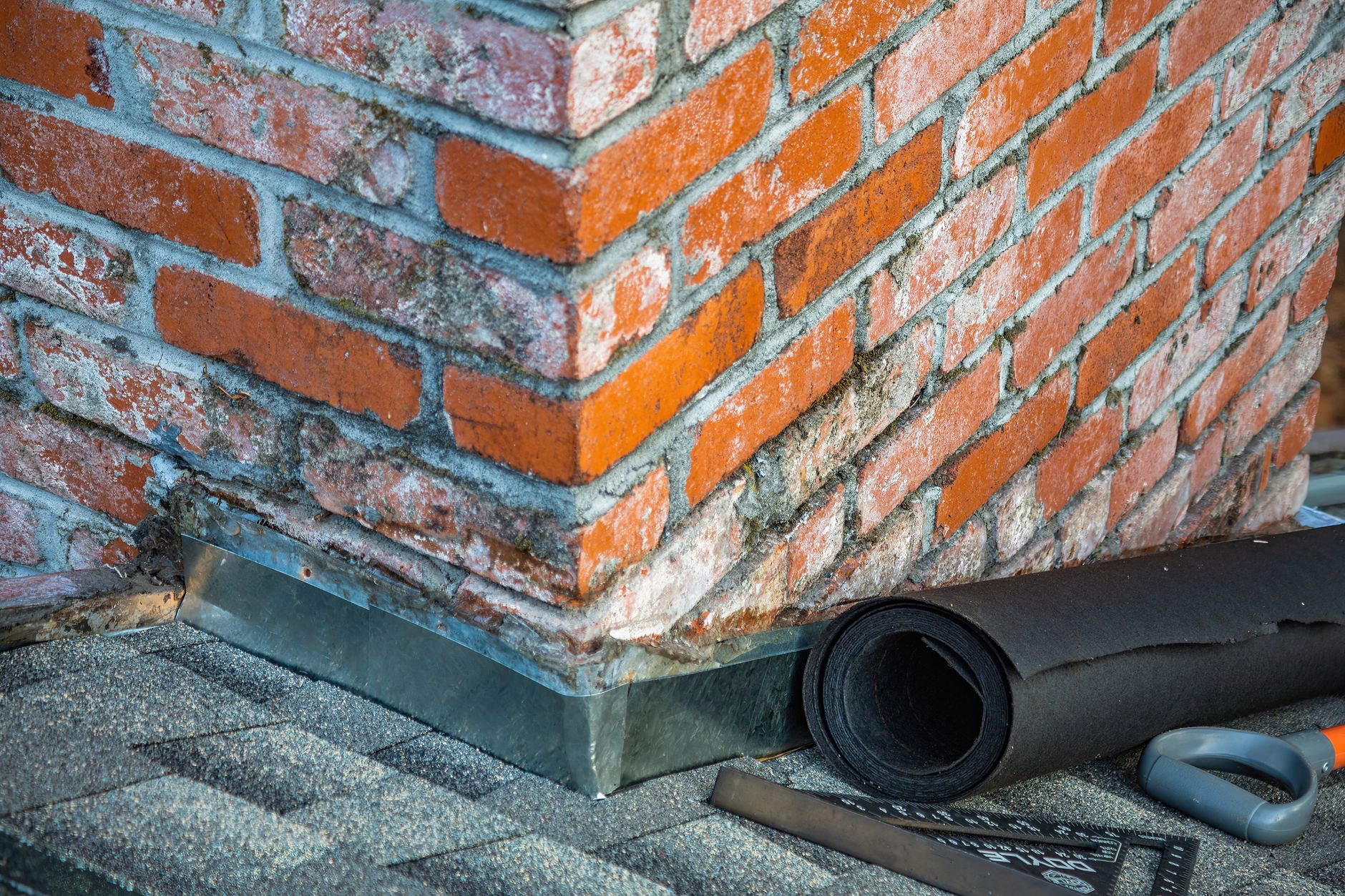
Chimney Crown Repair NYC →Flashing is the metal seal between your chimney and roof. Failed flashing is frequently misidentified as a roofing problem when the real source is the chimney-to-roof junction. Improperly installed or rusted flashing allows water to channel directly into your attic and walls.
We install step flashing and counter flashing using galvanized steel or copper, sealed with high-temperature caulk rated for New York's temperature extremes. Turnaround is typically one day.
Full Leak Repair Services →Prefabricated and factory-built chimneys use a metal chase cover instead of a masonry crown. Galvanized steel covers rust and rust bleeds down your siding, a telltale sign of a failing chase cover. Stainless steel or copper replacements eliminate the problem permanently.
We custom-size chase covers for each chimney and install with a raised center profile to prevent water pooling, a critical detail that low-quality stock covers skip.
Chase Cover Repair NYC →Spalling bricks are crumbling, flaking, or popping off your chimney face because water has penetrated the masonry and the freeze-thaw cycle has expanded it from within. Left unaddressed, the structural integrity of the chimney stack deteriorates rapidly.
Tuckpointing replaces eroded mortar joints with fresh mortar matched to your existing work. For significantly damaged bricks, we replace individual units and apply a masonry-appropriate waterproofing sealer to prevent recurrence.
After structural repairs are complete, waterproofing with a breathable, vapor-permeable sealant is the final line of defense. The product must be vapor-permeable so that moisture trapped inside the masonry can escape - film-forming paints trap moisture and accelerate damage.
We use professional-grade sealants rated for masonry chimneys and apply in two coats. Most treatments carry a 10-year performance window in normal exposure conditions.
The National Fire Protection Association's NFPA 211 standard defines three tiers of chimney inspection. A Level 1 inspection covers accessible surfaces during routine service. A Level 2 is required for all property transfers and after any chimney event (chimney fire, earthquake, change of appliance). A Level 3 involves partial demolition to access concealed areas.
We perform all three levels and deliver written reports. For full inspection details and standards, the National Fire Protection Association publishes the complete NFPA 211 standard.
Gas fireplace venting systems have their own moisture vulnerabilities. Condensation in direct-vent flues, improper vent termination placement, and corroded vent caps all contribute to water intrusion and combustion safety hazards.
Our technicians service and install gas inserts and built-in gas fireplaces, diagnose venting issues, and ensure the installation meets current NYC code requirements for gas appliances.
We begin every chimney leak inspection with a systematic visual sweep - crown condition, cap presence, flashing seams, brick face, and mortar joint integrity. What we see from the roof often tells a very different story than what's visible from the street.
Water staining on firebox walls, efflorescence (white mineral deposits) on the interior masonry, and rust on the damper are all diagnostic clues. We use a high-resolution camera to inspect the flue liner for cracks, gaps, or liner displacement that allow water to enter from above and migrate into adjacent framing.
When the source is ambiguous, a controlled water test isolates the entry point. We isolate sections of the chimney systematically - crown area first, then flashing, then the brick face - to confirm exactly where water penetrates. This prevents misdiagnosis and ensures you only pay for the repair that's actually needed.
After diagnosis, we provide a written summary of findings with a prioritized repair recommendation and cost estimate. We'll tell you what needs immediate attention, what can be monitored, and what the cost difference is between patching and a permanent fix. No pressure, no upsells - just a clear, professional assessment. For a sense of typical pricing, see our chimney service cost guide for NYC.
Don't wait for the next rainstorm to confirm it. Early intervention prevents the most expensive damage.
☎ (347) 801-0260Certain chimney repairs in New York City require a permit from the NYC Department of Buildings. We handle permit coordination as part of our service scope. Never hire a contractor who tells you a permit "isn't necessary" for structural chimney work in NYC.
Fall is the critical inspection window. A pre-winter inspection catches crown cracks, failed flashing, and chimney cap damage before snow and ice amplify the problems. We book out quickly in October and November - scheduling in September gives you the most flexibility.
Spring inspections are equally important. After New York's freeze-thaw cycles, mortar joints that looked acceptable in October may have opened up by April. Spring is the best time to waterproof because masonry needs to be dry for sealant to bond correctly, and summer temperatures give it maximum cure time.
The Chimney Safety Institute of America recommends annual chimney inspection and cleaning for any fireplace or heating appliance in regular use. In New York's climate, we'd argue that's the minimum - many of our clients schedule both fall and spring checks.
Creosote isn't a leak issue - but it is the reason a clean chimney can become a house fire. We address it as part of every full service appointment.
Light, flaky soot deposits that brush away easily with standard chimney sweeping equipment. This is what you get with well-seasoned wood and adequate draft. Annual cleaning keeps it in check.
Shiny, tar-like deposits that require rotary cleaning tools to remove. Common in fireplaces burned with green or unseasoned wood. More removal time means higher service cost, but it's still manageable.
Hardened, shiny glaze that is highly combustible and very difficult to remove. Requires chemical treatment with a specialized product and multiple service visits. In severe cases, liner replacement is the safer option.
Prevention is far cheaper than remediation. Burning only properly seasoned hardwood, maintaining adequate airflow, and scheduling annual cleaning keeps first-degree creosote manageable. Our Manhattan chimney repair and sweep services include creosote assessment with every visit.
Whether you have an active leak today or you want to get ahead of the problem before winter hits New York, Prime Chimney Sweep & Repair is ready to help. One call connects you with a specialist who can schedule your inspection, walk you through your options, and give you a clear, honest quote.
We serve homeowners and property managers across all five boroughs and the surrounding NYC metro area. Same-day and emergency appointments are available for active leaks and urgent safety concerns.
Emergency chimney leak response available across NYC. Emergency repair services here.
We perform all three levels of NFPA 211 inspections with written reports for real estate transactions. Fast scheduling available.
A diagnostic inspection pinpoints the exact source before we recommend any repair. No guesswork, no overselling. See our service pricing guide.
© 2026 Prime Chimney Sweep & Repair. All rights reserved. Serving New York City and surrounding metro areas.