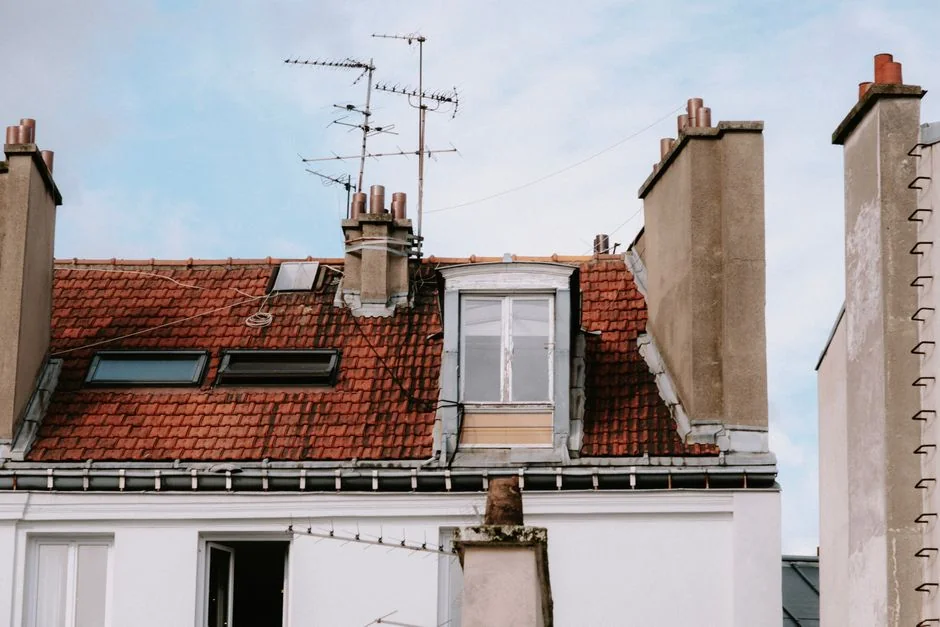
Providing high level Chimney repair NYC services in Manhattan, NY means operating in one of the most complex construction environments in the United States. Every block presents a different structural story, from prewar co ops along Central Park West to sleek glass towers rising above Hudson Yards. The density of the borough alone creates logistical pressure, but the real challenge lies in understanding how age, architecture, regulation, and access constraints intersect on each individual property. Contractors who succeed here do far more than patch masonry. They navigate a living, evolving urban system where no two rooftops are alike. Competition is intense across neighborhoods such as Midtown, SoHo, and the Financial District, where property owners expect precision, speed, and documentation. Building managers in Tribeca and Battery Park City often oversee multimillion dollar assets and require detailed assessments before approving any exterior work. At the same time, historic brownstones in Harlem and the Upper West Side demand a preservation minded approach that respects original brickwork and mortar composition. A chimney that rises above a landmarked townhouse near Washington Square Park cannot be treated the same way as a venting system atop a high rise overlooking Times Square. Each structure calls for a tailored evaluation of load bearing conditions, liner integrity, and exposure to wind and moisture. Regulatory oversight is a constant factor in Manhattan. The New York City Department of Buildings enforces strict rules regarding façade safety, rooftop protection, and worker safeguards. Many chimney structures are tied into exterior walls that fall under periodic inspection requirements, meaning repairs must align with broader building envelope compliance cycles. In areas near Grand Central Terminal or along Fifth Avenue, sidewalk traffic is relentless, so protection plans and access coordination are essential. Failure to meet filing or safety standards can trigger costly delays, making regulatory fluency just as important as masonry skill. Weather patterns amplify existing vulnerabilities. Winter winds sweeping across the East River and Hudson River corridors accelerate moisture intrusion, especially in exposed neighborhoods like the Lower East Side and along the edges of Central Park. Freeze thaw cycles gradually expand small cracks in aging mortar joints, particularly in prewar buildings common in the Upper East Side. By early spring, property owners often discover spalling brick, leaning chimney stacks, or deteriorated crowns that require immediate stabilization. Summer heat introduces its own constraints, as high rooftop temperatures affect curing times and worker safety. Scheduling must account for these seasonal shifts to ensure repairs are durable and compliant. Access remains one of the most underestimated challenges in Manhattan. Streets around Penn Station and Columbus Circle are perpetually congested, limiting staging options for scaffolding and material delivery. In many co op buildings near Union Square, elevator reservations must be secured in advance, and strict move in and move out windows restrict when tools can be transported. Rooftops are frequently crowded with mechanical equipment, solar panels, and telecommunications installations, leaving limited workspace for chimney restoration. Coordinating with supers, property managers, and sometimes multiple commercial tenants requires detailed planning before any physical work begins. Economic expectations also shape the market. Manhattan property values rank among the highest in the nation, and boards overseeing residential towers near Bryant Park or luxury developments in Chelsea demand comprehensive proposals. Insurance certificates, worker training documentation, and clear scopes of work are not optional. They are baseline requirements. Transparency builds trust in an environment where stakeholders scrutinize every line item. Providers offering
Manhattan chimney repair services must communicate technical findings in a way that satisfies both engineers and non technical board members, translating complex flue performance data into actionable recommendations. Modernization trends add another layer of complexity. Across neighborhoods like the East Village and Murray Hill, aging boilers are being replaced with higher efficiency systems. These upgrades can alter draft patterns and flue gas temperatures, placing new demands on masonry chimneys originally designed decades ago. Without proper liner adjustments or structural reinforcement, performance issues and moisture damage can escalate quickly. Skilled contractors evaluate compatibility between updated appliances and existing venting systems, ensuring safety and code compliance while preserving the building’s architectural character. Landmark considerations further intensify project requirements. Properties within designated districts near the Flatiron Building or in parts of Greenwich Village may require materials that visually match original construction. Sourcing compatible brick and mortar blends is critical to maintaining historical authenticity while still achieving modern durability standards. This balance between preservation and performance distinguishes experienced professionals from general contractors unfamiliar with Manhattan’s architectural heritage. Ultimately, succeeding in this market demands a combination of technical depth, regulatory awareness, and logistical coordination. From rooftop work in Midtown skyscrapers to careful masonry restoration in Harlem brownstones, every project reflects the borough’s density and diversity. Contractors who understand the nuances of neighborhoods stretching from Inwood to the Financial District are better equipped to deliver repairs that withstand harsh weather, meet strict codes, and protect high value properties. In Manhattan, chimney repair is not just a trade. It is a disciplined practice shaped by history, infrastructure, and the relentless pace of one of the world’s most demanding urban landscapes.